Keep and restore
If a piece is wearable and meaningful, restoration may be worth considering.
Worth settling before anything is sold, because a piece that gets worn again is not a piece you needed to sell.
Jewelry restoration and heirloom careEstate jewelry, Honolulu, Oahu
Inherited jewelry is easier to deal with once you know what it actually is. Jewel Box Hawaii is licensed by the State of Hawaii to buy estate and inherited jewelry, and the appraisal work happens in house, so you can find out what you have before deciding anything.

What we do
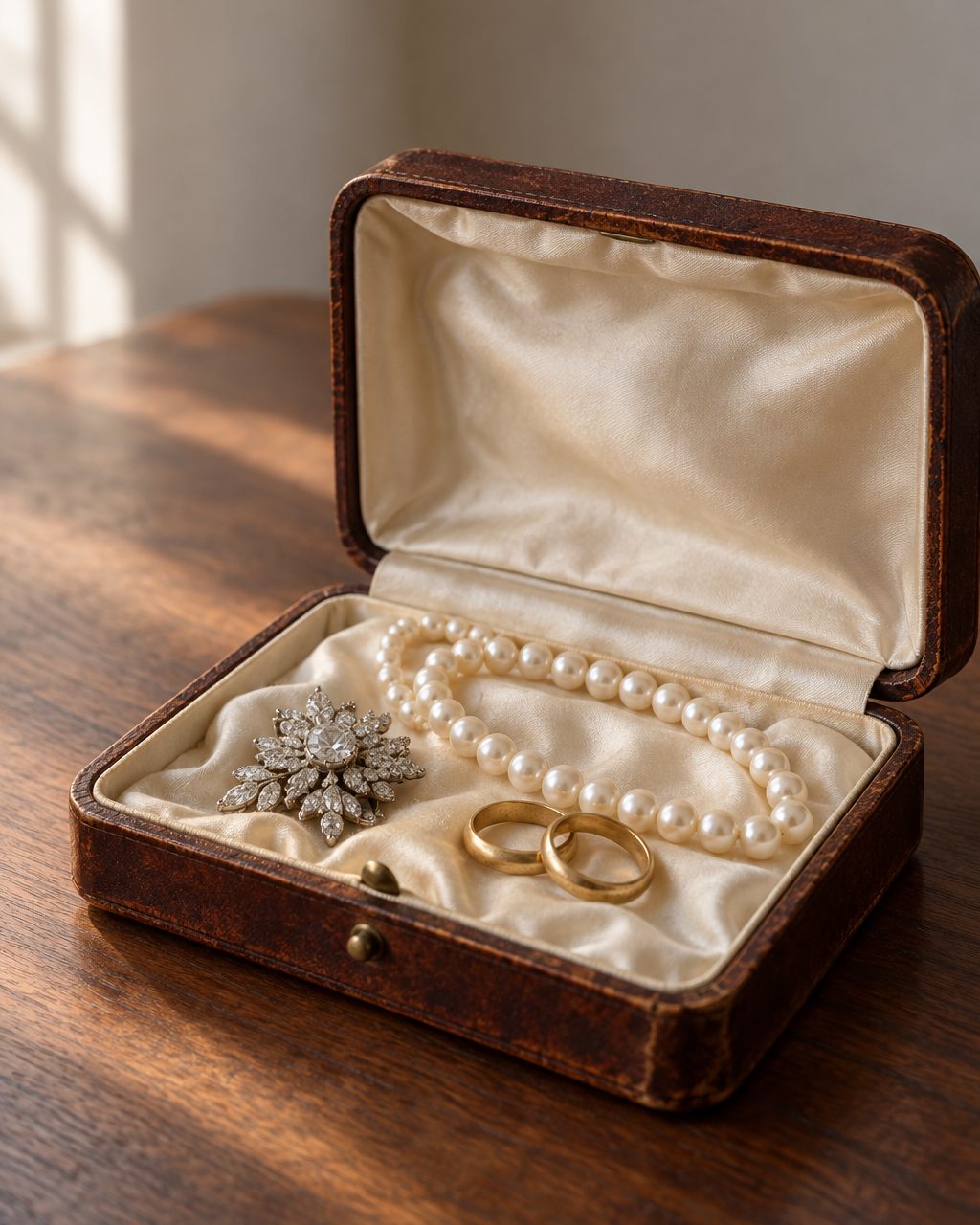
At the appointment, the pieces are looked at here in Honolulu by Steve, a graduate gemologist trained in gemology, jewelry manufacturing, design and appraisal.
Because the appraisal work happens in house, finding out what you have and talking through what to do with it happen in the same conversation. You can find out what you have before deciding anything, and selling is not the only option.
Your options
If a piece is wearable and meaningful, restoration may be worth considering.
Worth settling before anything is sold, because a piece that gets worn again is not a piece you needed to sell.
Jewelry restoration and heirloom careInherited stones and gold can be reworked into something that gets worn.
The material stays in the family and comes back as a piece in use rather than a piece in a drawer.
Custom design in HonoluluKeep the pieces that matter to the family and sell the rest.
Common with a mixed collection, where a few pieces carry the history and the others do not.
All jewelry services in HonoluluSometimes the simplest answer, particularly for pieces nobody will wear.
Jewel Box Hawaii is licensed by the State of Hawaii to buy estate and inherited jewelry, and the appraisal work happens in house.
Ask about selling estate jewelryAppraisal, valuation, offer
An insurance appraisal, a fair market valuation and a resale offer answer different questions, so they rarely match.
Working out which number applies to your situation is usually the most useful thing to settle first. If you are not sure which one you need, describe the situation when you get in touch.
Hawaiian heirloom pieces
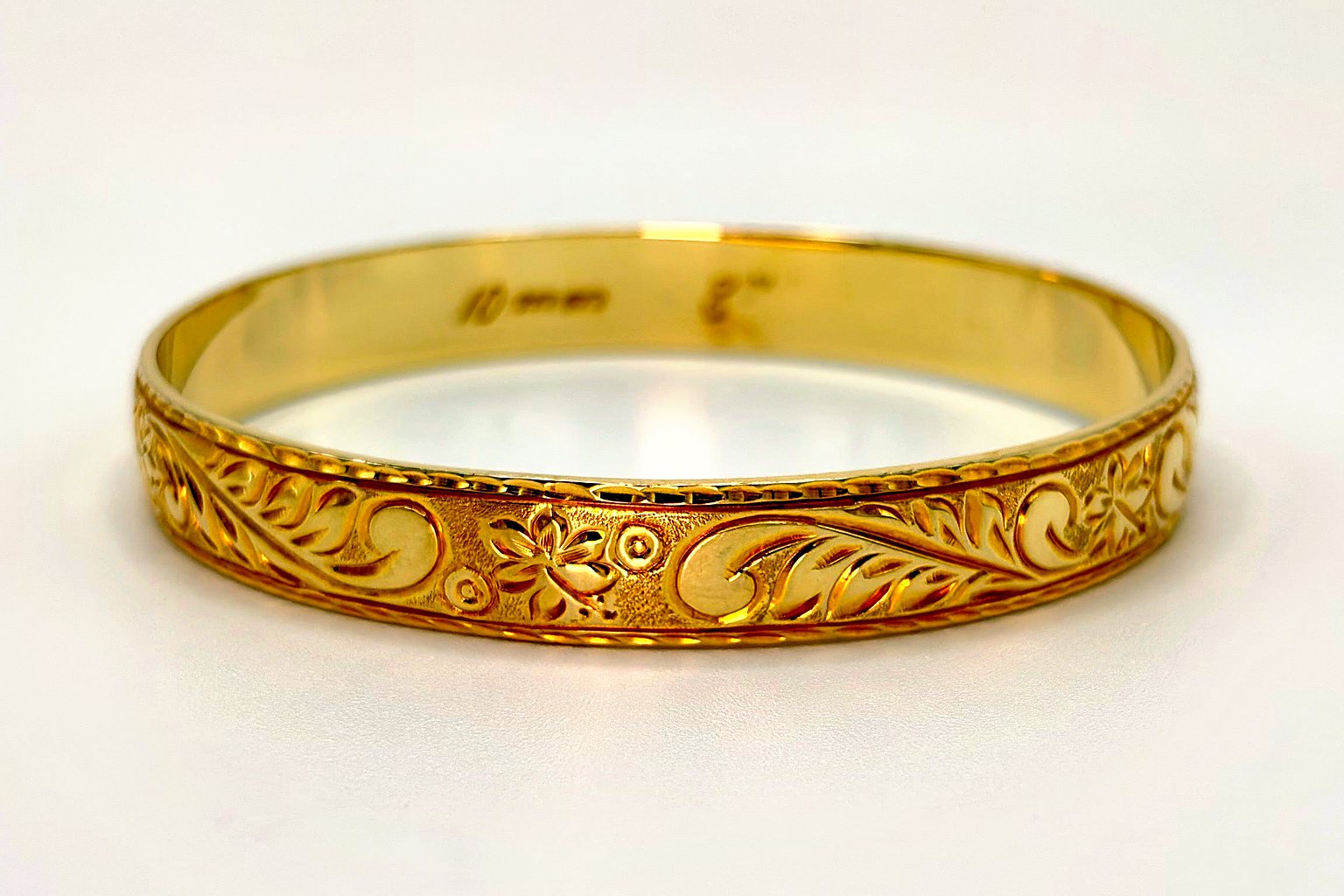
If the collection includes a Hawaiian heirloom bracelet with a name engraved on it, it is worth a conversation before selling. These carry a family history, and their value to the family is often higher than their value to a buyer.
Yes. Jewel Box Hawaii is licensed by the State of Hawaii to buy estate and inherited jewelry.
Steve, a graduate gemologist trained in gemology, jewelry manufacturing, design and appraisal. The appraisal work happens in house.
No. Restoration and redesign are also options, and we are glad to talk them through.
Yes. Estate pieces are looked at by appointment, in Honolulu.
An insurance appraisal, a fair market valuation and a resale offer answer different questions, so they rarely match. Describe the situation when you get in touch and we will work out which number applies.
Get in touch
Get in touch to arrange an appointment. We will look at what you have and talk through the options.
By appointment, in Honolulu.